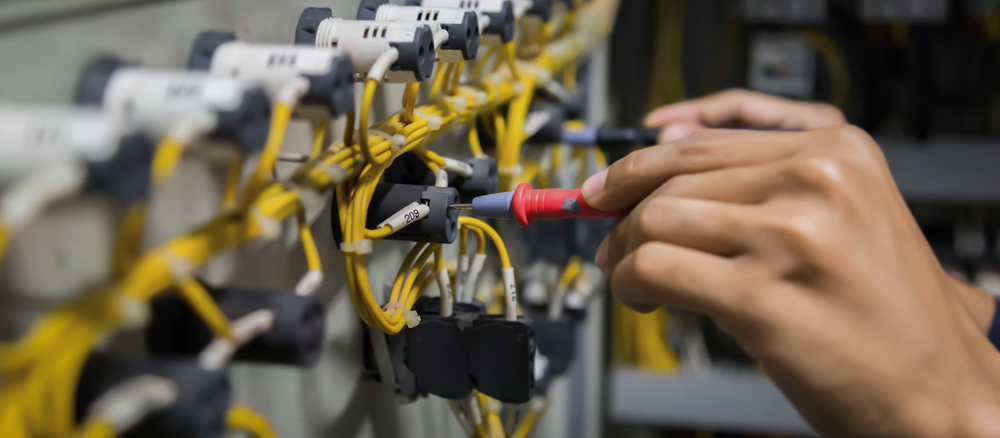
The electrical system in your home is one of its most critical components. It powers your lights, appliances, and everyday devices. However, like all systems, wiring ages over time and can become a safety hazard if not properly maintained. If you live in an older property or have noticed unusual electrical issues, it might be time to consider a rewire.
Below are the top 7 signs that your home in Cheltenham may need rewiring:
1. Frequent Circuit Breaker Trips or Blown Fuses
If your circuit breakers trip regularly or fuses blow often, it’s a clear sign your electrical system is under stress. This usually indicates the wiring can’t handle the current demands of modern devices and appliances. Frequent trips are more than an inconvenience—they can point to serious safety concerns.
2. Flickering or Dimming Lights
Lights that flicker or dim, especially when other appliances are in use, can indicate voltage fluctuations caused by old or faulty wiring. This is often a symptom of circuits being overloaded or failing to distribute power evenly throughout the home.
3. Outdated Fuse Box or Consumer Unit
Older homes may still have outdated fuse boxes with ceramic or rewireable fuses. These systems lack the safety features found in modern consumer units, such as RCD (residual current device) protection, which quickly shuts off power to prevent electric shocks or fire hazards.
4. Burning Smell or Scorch Marks on Sockets
Any burning smell, discolored outlets, or scorch marks around plug sockets or switches should be taken seriously. These are signs that wires behind the wall may be overheating or damaged, posing a potential fire risk. Turn off the power and have the issue inspected as soon as possible.
5. Buzzing or Crackling Sounds from Outlets
Electricity should flow silently. If you hear buzzing, humming, or crackling from switches or outlets, it could mean that wires are loose or corroded. These sounds suggest that the connection isn’t stable—something that could lead to shorts or sparking.
6. Old or Degraded Wiring
Homes built before the 1970s may still contain outdated wiring types, such as rubber-insulated, lead-sheathed, or fabric-covered wiring. These materials deteriorate over time and are no longer considered safe. If your home is over 30–40 years old and hasn’t had a recent electrical upgrade, it’s wise to schedule an inspection.
7. Not Enough Sockets or Heavy Use of Extension Leads
Relying on extension cords or multi-socket adapters for everyday power needs often points to a wiring system designed for lower electrical demand. This can cause overloaded circuits and is a common sign that your home’s electrical setup no longer meets modern standards.
When to Take Action
Electrical issues shouldn’t be ignored, especially in older homes where worn-out wiring can become a fire hazard. Rewiring ensures your property complies with current electrical safety regulations and supports the power demands of modern living.
If you’re noticing any of these signs in your Cheltenham home, it’s best to consult a qualified and registered electrician to assess your wiring. A full or partial rewire not only enhances safety but also adds value and peace of mind.
Final Thoughts
Rewiring isn’t just about upgrading your home—it’s about ensuring your family’s safety. Whether your home is decades old or you’ve started noticing minor issues, it’s worth taking the time to evaluate the condition of your electrical system.
Need help knowing what to do next? Book a professional electrical inspection to find out if a rewire is necessary and what steps to take moving forward.
Read more https://carterselectrical.co.uk/domestic-electrical-services-cheltenham/