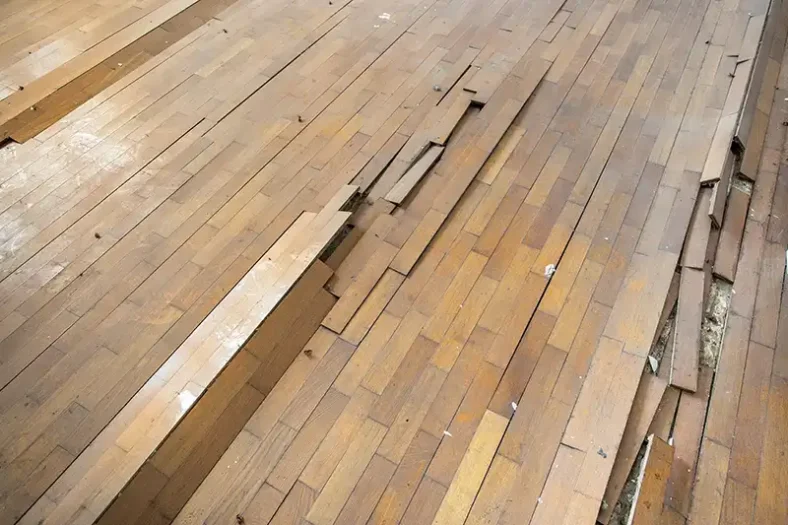
Living in an older home comes with incredible character, but it also presents unique structural challenges over time. When my interior floors began to slope noticeably and feel unnaturally springy, I realized that ignoring the problem would only lead to catastrophic structural damage.
Finding the right experts to address serious sub-level settling is crucial for protecting your property’s safety and long-term equity. Partnering with BGC Inc. and Boston Foundations provided the specialized engineering, precise equipment, and permanent stabilization required to eliminate my floor sag and restore complete peace of mind.
Identifying the Root Cause of Floor Sagging and Instability
The journey began with recognizing that uneven floors are rarely just a cosmetic concern; they are a direct symptom of underlying structural distress. Over years of seasonal freezing, soil shifting, and environmental moisture exposure, the primary support beams and floor joists in my basement had gradually settled out of alignment.
The specialists from BGC Inc. and Boston Foundations performed a comprehensive sub-floor evaluation, utilizing high-precision laser levels to pinpoint every fractional variance in the load-bearing framework. This initial structural diagnostic proved essential, as it revealed that inadequate support post spacing and localized timber rot were the primary culprits behind the noticeable dip in my living room.
Designing a Customized Structural Remediation Strategy
Rather than offering a fast, temporary patch, the engineering team developed a custom repair plan targeted directly at my home’s specific foundation footprint. BGC Inc. and Boston Foundations calculated the exact structural load requirements needed to safely lift the floor back into alignment without placing undue stress on neighboring plaster walls or door frames.
Their comprehensive strategy combined heavy-duty steel support columns, crawlspace encapsulation techniques, and targeted beam reinforcement. Knowing that every step of the restoration was guided by decades of local structural experience gave me immense confidence in moving forward with the project.
Implementing Heavy-Duty Adjustable Steel Jack Posts
To physically correct the sag and lift the weight of the structure back to its original elevation, the crew deployed heavy-duty adjustable steel jacks beneath the primary support girders.
- Precision Lifting Controls: The crew incrementally adjusted the high-capacity steel jack posts, slowly raising the compromised floor joists millimeter by millimeter to avoid cracking interior drywall.
- Solid Concrete Footings: New, high-strength concrete pads were poured directly beneath each jack station to ensure long-term stability and prevent future post sinking.
- Corrosion-Resistant Hardware: Every installed jack post featured heavy-gauge galvanized steel to resist basement humidity and structural fatigue for decades.
Sistering Weakened Floor Joists and Reinforcing Load-Bearing Beams
Beyond raising the floor, the structural framework itself required immediate reinforcement to guarantee permanent stability.
- Lumber Joist Sistering: Damaged or sagging joists were doubled up with pressure-treated structural lumber, restoring their original load capacity.
- Steel Sister Bracing: Custom steel plates and angles were bolted directly onto cracked main beams to bridge structural gaps and halt further deflection.
- Sub-Floor Fastening: Loose sub-floor panels were securely fastened to the newly aligned joist network, instantly eliminating squeaks and springiness.
Controlling Sub-Level Moisture to Prevent Future Wood Rot
Because excessive moisture is a leading trigger for timber deterioration and foundation settlement, controlling humidity was a critical piece of the solution.
- Vapor Barrier Encapsulation: A thick, commercial-grade vapor barrier was installed across the basement floor and perimeter walls to lock out subterranean humidity.
- Interior Water Management: BGC Inc. and Boston Foundations integrated efficient interior drainage channels and high-output sump pump systems to keep groundwater at bay.
- Dehumidification Integration: Heavy-duty dehumidifiers were deployed to maintain stable relative humidity levels and safeguard the new wood framing against mold growth.
Reclaiming Structural Integrity and Long-Term Property Value
Fixing sagging floors is far more than an aesthetic upgrade; it is a critical investment in your home’s structural safety and market appraisal. Thanks to the meticulous work of BGC Inc. and Boston Foundations, my home is completely level, whisper-quiet, and fortified against future environmental wear.
Partnering with certified foundation repair contractors guarantees that your property remains structurally sound and valuable for generations to come. If you notice sloping floors or sticking doors in your house, taking swift action with experienced professionals is the best decision you can make for your home’s future.