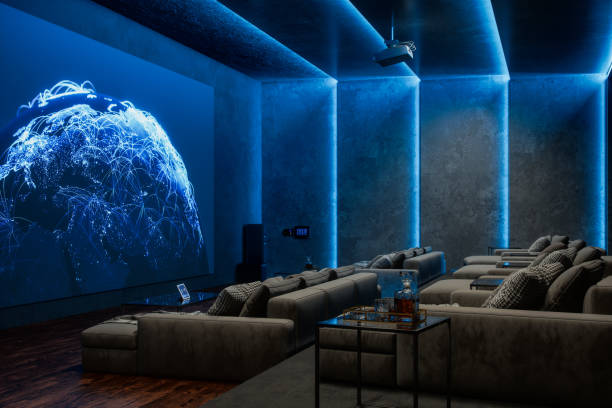
Dolby Atmos is a revolutionary audio technology that changes the way we experience sound in movies, music, games, and even at home. Unlike traditional surround sound systems that limit audio to fixed channels, Dolby Atmos introduces a more immersive, three-dimensional sound experience that places audio all around—and above—the listener.
Understanding Dolby Atmos
Traditional sound formats such as 5.1 or 7.1 surround sound use channels that send audio to specific speakers. Dolby Atmos moves beyond this approach by treating sound as individual “objects.” Each sound object can be precisely placed and moved in a three-dimensional space, including overhead. This allows sound designers to create a more realistic and dynamic audio environment.
For example, instead of hearing rain from only the front or sides, Dolby Atmos lets you hear raindrops falling from above, just as they would in real life. This added height dimension is what truly sets Dolby Atmos apart from earlier audio technologies.
How Dolby Atmos Works
Dolby Atmos uses metadata to tell compatible playback systems where each sound object should be positioned in a room. The system then adapts the audio output based on the listener’s speaker setup. Whether you’re using ceiling-mounted speakers, upward-firing speakers, a soundbar, or even headphones, Dolby Atmos adjusts the sound to deliver the most immersive experience possible.
This flexibility makes Dolby Atmos highly scalable. It works in large commercial cinemas, home theater setups, and mobile devices without losing its core spatial audio effect.
Dolby Atmos in Movies and TV
Dolby Atmos is widely used in modern film and television production. Many blockbuster movies and high-budget TV series are mixed in Dolby Atmos to enhance realism and emotional impact. Action scenes feel more intense as explosions and movement travel naturally around the viewer, while quieter scenes gain depth through subtle ambient sounds.
Streaming platforms such as Netflix, Disney+, and Apple TV+ support Dolby Atmos content, provided the user has compatible hardware. This has made cinema-quality audio more accessible for home viewers.
Dolby Atmos in Music
Dolby Atmos has also transformed the music industry. Artists and producers can now create tracks where instruments and vocals exist in a three-dimensional space instead of being limited to left and right channels. This results in a more immersive listening experience that feels closer to a live performance.
Music streaming services like Apple Music and Amazon Music offer Dolby Atmos tracks, allowing listeners to hear familiar songs in an entirely new way.
Gaming with Dolby Atmos
In gaming, Dolby Atmos adds a competitive and immersive advantage. Players can hear footsteps, gunfire, and environmental sounds with precise directional accuracy. This makes it easier to identify where sounds are coming from, improving awareness and realism in gameplay. Many modern consoles and PC games support Dolby Atmos, especially in action and first-person shooter genres.
Dolby Atmos for Home Use
Home users can experience Dolby Atmos through soundbars, AV receivers, or headphones. While full setups with overhead speakers deliver the best results, soundbars and headphones still provide convincing spatial audio using advanced processing techniques. This makes Dolby Atmos accessible even for users with limited space or budget.
Why Dolby Atmos Matters
Dolby Atmos represents a major shift in how sound is created and experienced. By adding height and precise positioning, it delivers a more natural and engaging audio experience. Whether in cinemas, living rooms, or on personal devices, Dolby Atmos continues to set new standards for immersive sound and shapes the future of audio entertainment.
Read more https://www.seriouslycinema.co.uk/surround-sound/dolby-atmos/