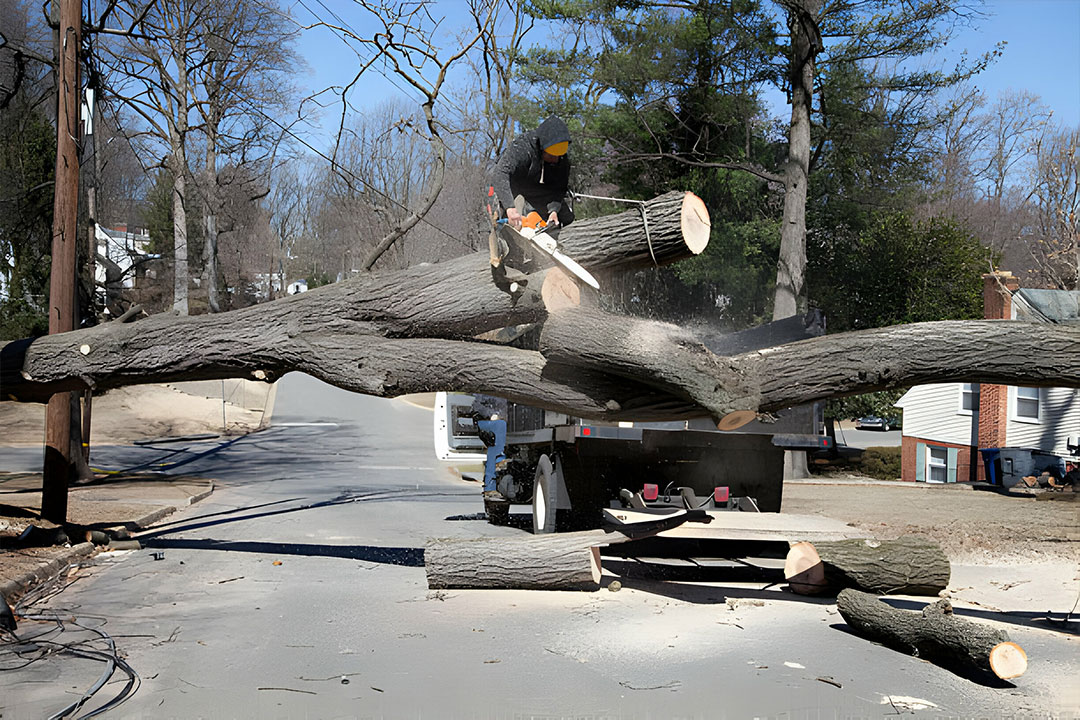
In California, trees are an essential part of the landscape, offering beauty, shade, and environmental benefits. However, severe weather, disease, or structural issues can quickly turn a tree into a safety hazard.
Knowing when to call a professional tree company for emergency services can help you protect your property, prevent accidents, and maintain the health of your trees. Quick action is critical in emergencies, as delays can lead to costly damage or injury.
After Severe Storms or High Winds
California’s storms, especially during winter or in coastal regions, can bring heavy rain and powerful winds that put stress on trees. If a storm hits your area, check for signs that immediate help is needed.
- Large branches hanging or broken and at risk of falling.
- Trees leaning suddenly after the storm.
- Uprooted trees that are unstable.
- Cracks in the trunk or major limbs.
If any of these are present, a tree company can assess and safely remove hazards before they cause damage.
When a Tree Poses an Immediate Safety Risk
Trees can become dangerous with little warning. If you spot sudden changes, don’t wait for the problem to worsen.
- Tree limbs near or resting on power lines.
- Falling branches in high-traffic areas like driveways or sidewalks.
- Trees leaning toward your home, garage, or neighboring property.
- Weak or hollow sections in the trunk.
Professional crews have the equipment and training to manage these risks safely, protecting both people and property.
Following Signs of Disease or Pest Infestation
In California, pests such as bark beetles and diseases like sudden oak death can weaken trees to the point of collapse. Catching problems early can reduce the need for emergency removal, but some cases demand urgent attention.
- Extensive dead branches in the canopy.
- Visible insect activity, holes, or sawdust around the base.
- Mushrooms or fungal growth along the trunk or roots.
- Rapid leaf loss outside of the normal season.
A certified arborist can determine if the tree is beyond saving and remove it before it becomes a falling hazard.
After Vehicle or Construction Impact
Accidents involving vehicles, construction equipment, or heavy machinery can damage a tree’s structure in ways that make it unstable. Even if the tree appears upright, internal damage may compromise its safety.
- Bark stripped or large wounds in the trunk.
- Noticeable cracks or splits after an impact.
- Shifting soil or exposed roots near the base.
- The tree swayed more than usual in mild winds.
In these cases, prompt inspection by a tree company ensures that weakened trees are either stabilized or removed.
Before and During Fire Season
California’s wildfire risk makes tree maintenance an important safety measure, especially in high-risk zones. Some situations require urgent action to reduce fire hazards.
- Dead or dry branches close to structures.
- Overgrown trees touching roofs or siding.
- Excess leaf litter or debris at the base of trees.
- Dense tree canopies that can fuel flames.
Emergency services can quickly trim or remove problem trees, helping create defensible space around your home.
Trees are valuable assets, but they can also become serious hazards if damaged, diseased, or poorly maintained. In California, where storms, wildfires, and pests pose year-round risks, knowing when to call for emergency tree services can make the difference between a safe property and costly damage.
By acting quickly when you notice danger signs, whether after severe weather, visible disease, or sudden structural changes, you can protect your home, family, and the surrounding community.